
Waste Rules Have Changed.
Has Anything Else?
A Citizen and Practitioner's Guide to the Solid Waste Management Rules, 2026
India has revised its solid waste management rules before — in 2000, and again in 2016. Each time, the rules were hailed as a turning point. Each time, implementation told a different story. The Solid Waste Management Rules, 2026, which came into force on 1 April 2026, are the most ambitious attempt yet to fix a system that has been broken for decades. They introduce specific, time-bound, and enforceable obligations for governments, large waste generators, and ordinary citizens.
Key figures to note: Every household is now mandated to manage 4 separate waste streams. The rules establish 7 time-bound compliance deadlines between 2026 and 2029. A daily waste generation of 100 kg is the new threshold for Bulk Waste Generator (BWG) classification. Ensuring strict compliance is critical, especially considering that over 6L+ fake compliance certificates were uncovered in the sector in 2023.
Section 01
Your bin just got more complicated
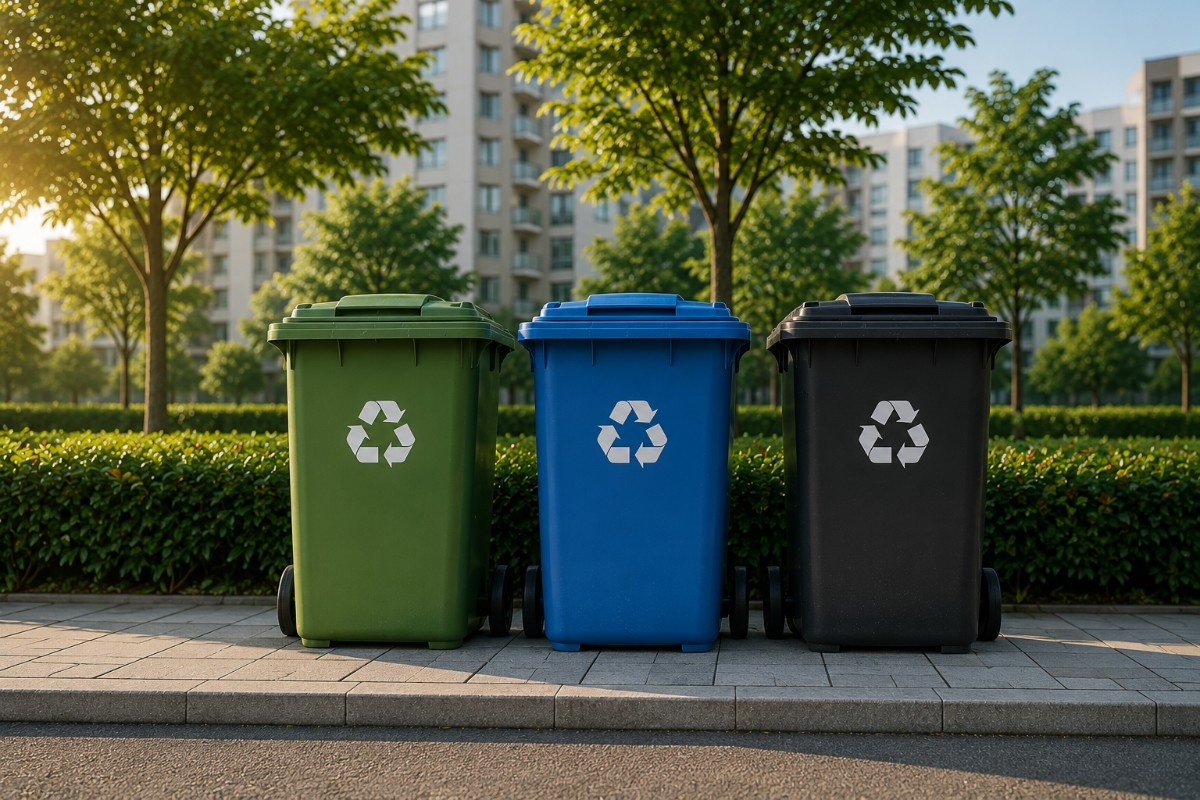
Every household in India must now separate waste into four distinct streams — not two. Manufacturers and brand owners are required to supply wrapping pouches specifically for sanitary waste.
| Stream | Examples |
|---|---|
| Wet waste | Kitchen scraps, food waste |
| Dry waste | Paper, plastic, metal, glass |
| Sanitary waste | Used diapers, sanitary napkins, bandages (must be wrapped securely) |
| Special care waste | As notified by local authorities |
The move from two bins to four is, in my view, the most practically significant change in these rules. Separating sanitary waste at source is not a minor administrative requirement. It is a long-overdue protection for the people at the bottom of the waste chain.
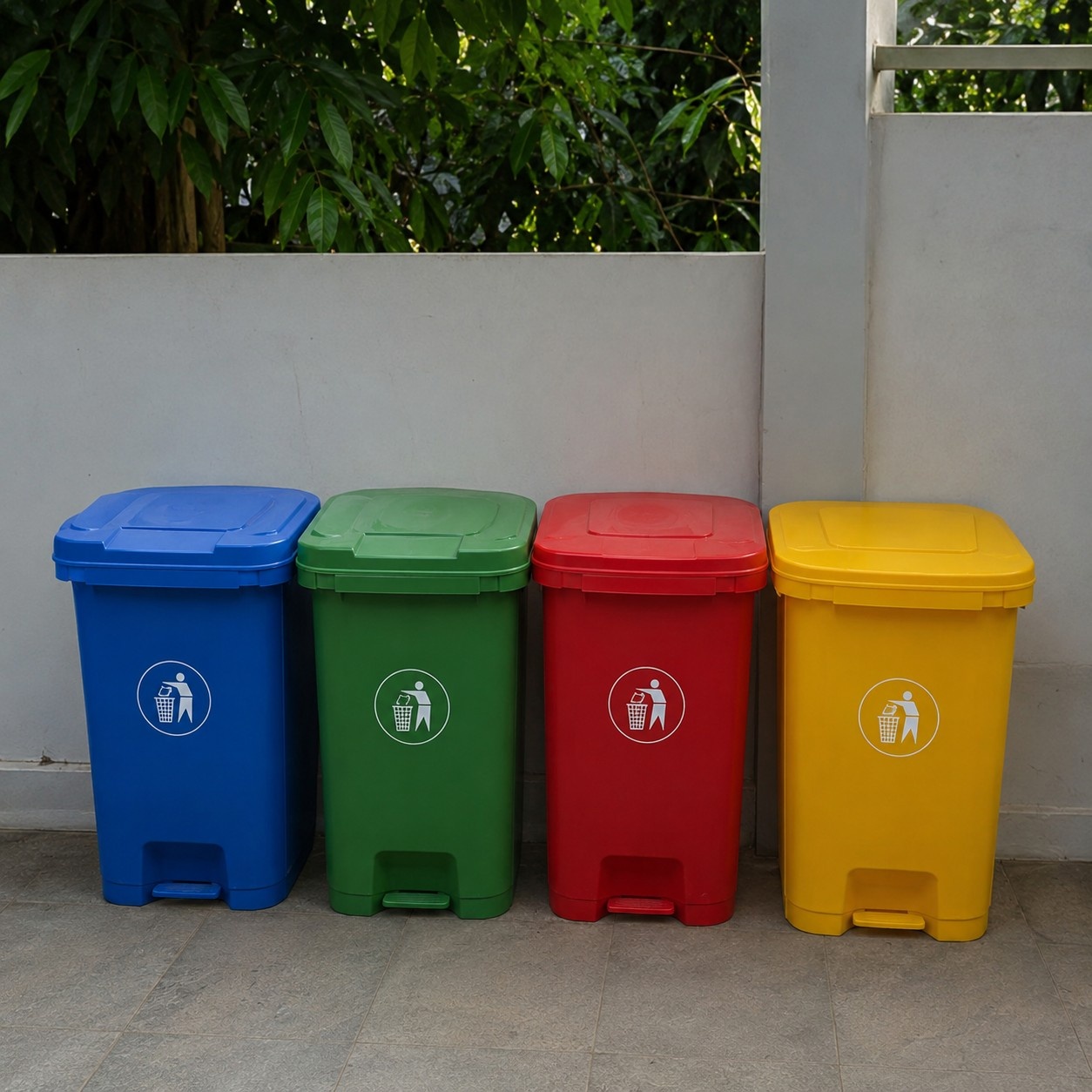
Segregation mandates only work when the collection system is built to receive segregated waste. If a ward's collection vehicle arrives and tips everything into a single compartment, the four bins at your doorstep are theatre. Local bodies must invest in separate collection infrastructure — not simply issue awareness circulars and declare the job done.
Section 02
A race against the clock
One of the sharpest improvements in the 2026 rules is the specificity of deadlines. Earlier rules set broad obligations and left dates open, making it easy for authorities to claim they were "working on it" indefinitely. That excuse is no longer available.
| By when | Who must do what |
|---|---|
| Oct 2026 | Local bodies must map all existing dumpsites and garbage-prone black spots |
| Mar 2027 | Urban local bodies must update their bye-laws to incorporate the new rules |
| Apr 2027 | Every state must adopt a formal Solid Waste Management Policy |
| Mid-2027 | Cities must launch functional online grievance portals for citizens |
| Sep 2027 | Million-plus cities must establish Material Recovery Facilities (MRFs) |
| Apr 2028 | Cities with 5–10 lakh population must establish MRFs |
| Apr 2029 | All remaining urban areas must establish MRFs |
From October 2026 onwards, urban local bodies must upload monthly reports on waste generation and collection to a central national portal.
These are not unreasonable timelines. But they assume a level of institutional capacity that many local bodies do not currently possess. I have worked with municipal bodies that lack reliable ward-level waste data, functional weighbridges, or even an updated map of their own storage facilities. The Centre and State governments must back these deadlines with financial and technical support, not leave local bodies to absorb new mandates with existing budgets.
"The National Green Tribunal noted in August 2022 that the 2016 Solid Waste Management Rules had gone unimplemented for four years — and that none of the officials responsible had been held accountable."
— Waste Management PractitionerThe 2026 framework builds the architecture for accountability. Whether that architecture is filled with real enforcement, independent audits, and an engaged citizenry — or whether it becomes another set of deadlines that pass quietly — is not a question the rules themselves can answer. The clock has started. The question is who is watching it.
If You Live in an Apartment, This Is Directly About You
Any entity that meets even one of the following thresholds is now classified as a Bulk Waste Generator (BWG), with mandatory registration, processing, and reporting obligations.
Section 03
The Bulk Waste Generator threshold
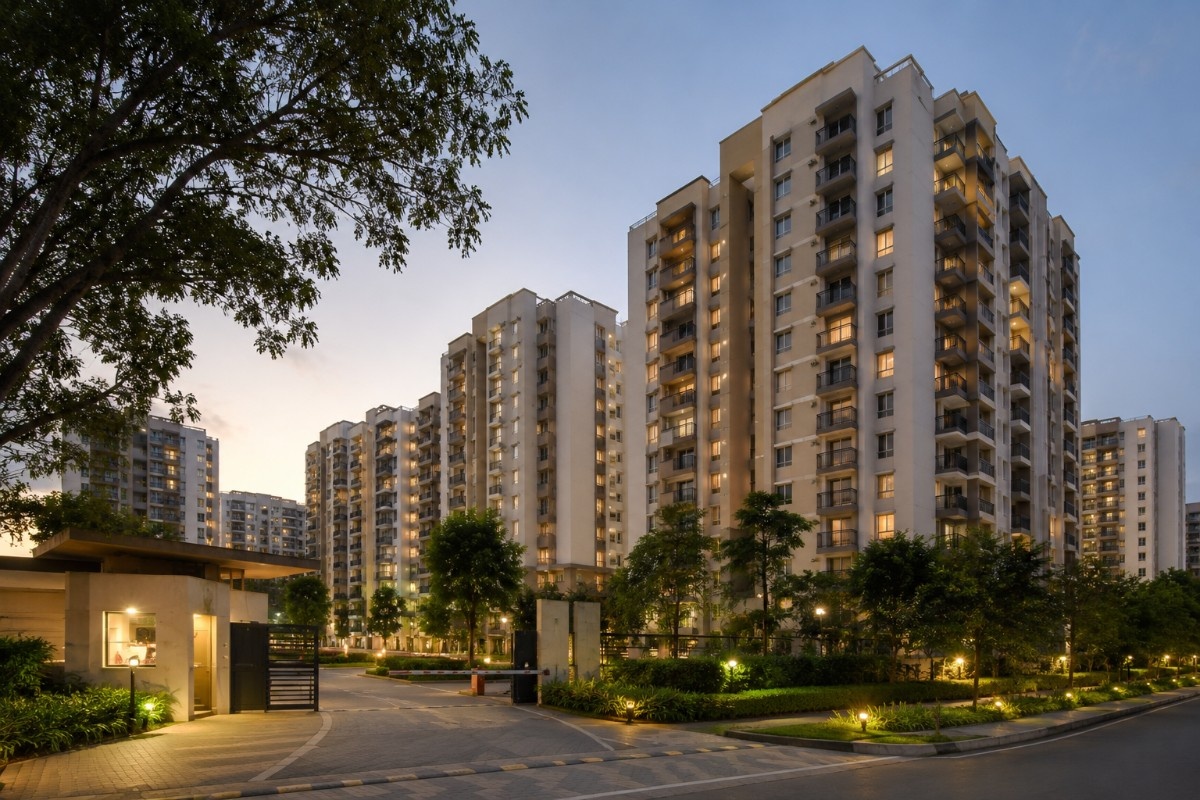
If you live in a large apartment complex, work in a major office, stay in a hotel, or shop in a big commercial establishment, the 2026 rules have something specific to say about where you are. Any entity that meets even one of the following thresholds is now classified as a Bulk Waste Generator (BWG):
- 01Register on the centralised government portal.
- 02New BWGs must set up on-site wet waste processing facilities.
- 03Existing BWGs that cannot process on-site must purchase compliance certificates from the local body.
- 04File annual returns by 30 June every year.
- 05Non-compliance attracts environmental penalties.
The tightening of accountability for large generators is welcome and necessary. My concern lies with the certificate mechanism. Compliance is measured by the quantity of waste collected, transported, and sent to registered processors. In practice, weighing and documentation at each of these stages is often unreliable. Without physical verification systems, this risks becoming a paper compliance exercise — and given that regulators uncovered over six lakh fake pollution-trading certificates in the recycling sector in 2023, that is not a theoretical risk.
What this means on the ground is that the familiar excuse — "we hand it over to the corporation and that's our job done" — no longer holds. Communities are expected to know how much waste they generate, how it is being processed, and whether their local body is meeting its end of the bargain. This is a significant cultural shift. In my experience, most large apartment complexes in Indian cities have no reliable data on their own waste output, let alone a processing plan. The rules now require that to change — and set a deadline for it.
For residents of large apartment complexes: your Residents' Welfare Association now has legal obligations under these rules. Ask what their plan is.
Section 04
What you can actually do
The 2026 rules are not just a government-to-government document. They place real obligations on citizens too — and give citizens real tools to hold the system accountable.
Source: Solid Waste Management (SWM) Rules, 2026, Ministry of Environment, Forest and Climate Change, Government of India. The author, Rajesh Babu, is a waste management practitioner with experience across urban local bodies, informal recycling systems, and solid waste policy in India.