
The People Behind the Work
A collective of practitioners, engineers, and strategists bringing decades of on-ground experience to environmental problem-solving.
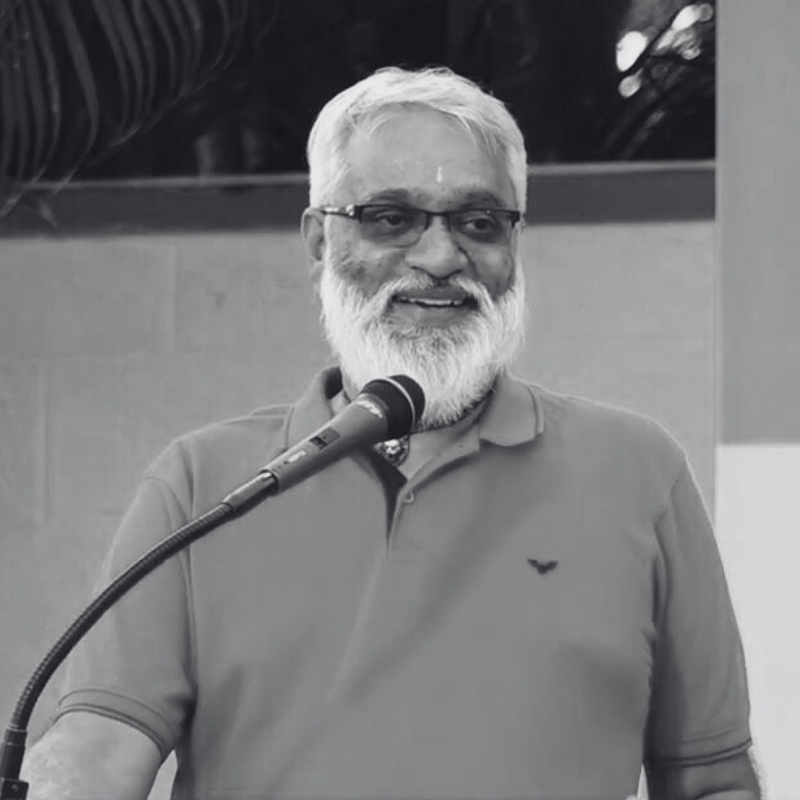
Ramprasad V
A Bengaluru-born environmental professional with a postgraduate degree in Psychology and ongoing doctoral research in Wetlands. After a decade in corporate management, he shifted to full-time environmental work in 2011.
He is the Co-Founder and Convenor of Friends of Lakes (FOL) – Bengaluru and serves on the Bangalore University Water Institute. Ramprasad is a Consulting Advisor to WELL Labs on urban wastewater reuse and lake management, and advises state governments (J&K, Jharkhand) and the BBMP on Solid Waste Management.
A Fellow of the Institute for Resource Recovery, he has contributed to major policies like Swachh Survekshan reforms, represented Bengaluru at COP27, and contributed to the Bengaluru Climate Action Plan 2040/50. His projects span lake rejuvenation, flood mitigation, rainwater harvesting, and urban water security.
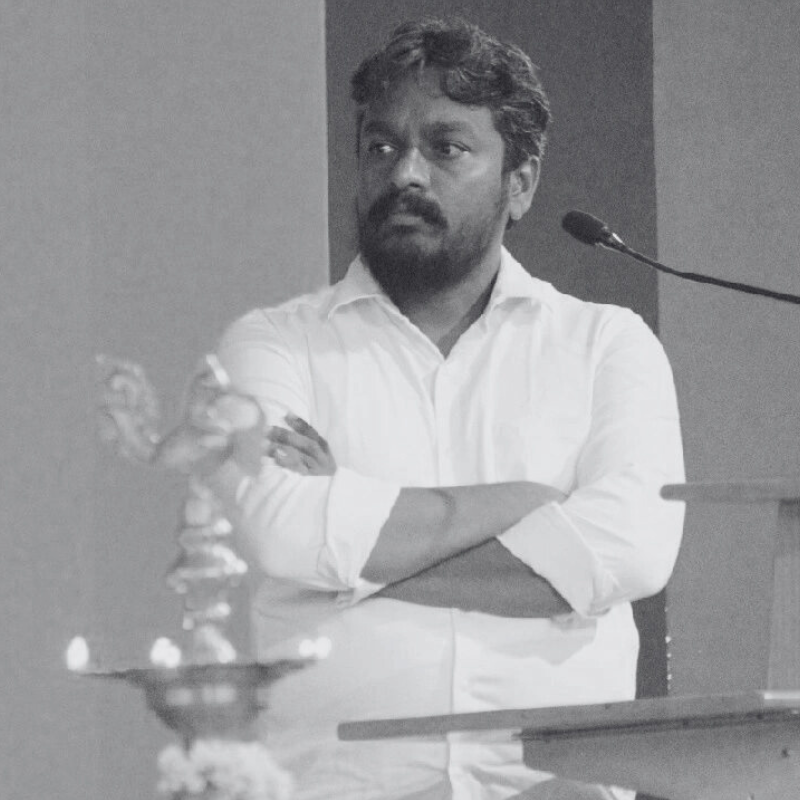
Rajesh Babu
A waste management and circular economy expert with over 15 years of experience, Rajesh works at the intersection of policy, operations, and sustainability implementation.
He serves as a Project Management Consultant with rePurpose Global, supporting global plastic recovery and Extended Producer Responsibility (EPR)–aligned programs through operational planning and impact monitoring. He advises on EPR frameworks, recycler onboarding, and integrating private producers with municipal solid waste systems.
Drawing on his long-standing role as Co-Founder of Swachha Eco Solutions Pvt. Ltd., Rajesh brings deep on-ground execution experience in waste collection, segregation, recycling, and stakeholder engagement—effectively bridging municipal systems with global sustainability standards.
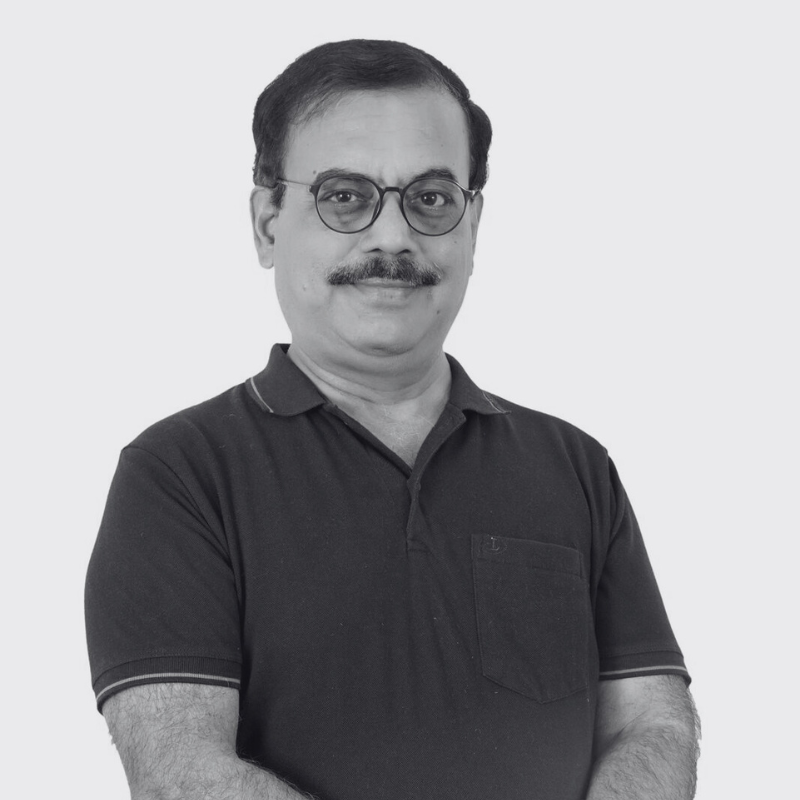
Nagesh Aras
Nagesh bridges the gap between environmental sustainability and business process excellence. With a foundation in frameworks like ISO 9000, Six Sigma, and the JRDQV Business Excellence Model, he brings a rigorous, process-driven edge to complex environmental challenges.
He is a thought leader in water resilience, Sewage Treatment Plant (STP) design and operations, lake rejuvenation, and municipal solid waste management. Author of the comprehensive STP Guide published by the KSPCB, he has developed frameworks for lake rejuvenation and CSR-based environmental projects.
Nagesh helps residential, commercial, and industrial clients transition to circular economy practices by optimizing systems, troubleshooting STPs for compliance, and turning environmental challenges into operational opportunities.
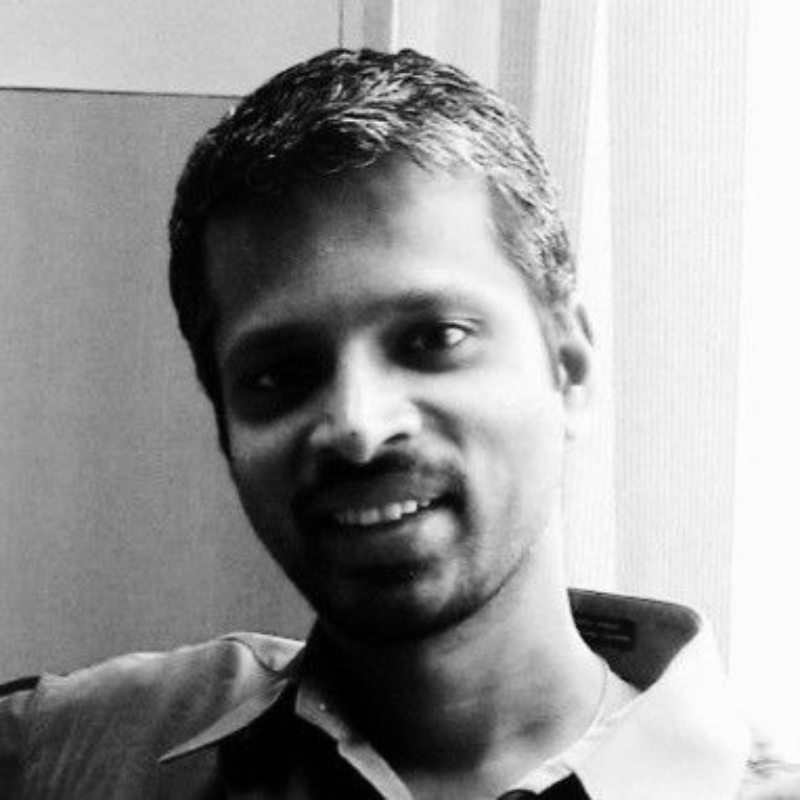
Lingaraj Dinni
Lingaraj heads Partnerships and the habitats group at LVBL Accelerator, a hyperlocal sustainability and liveability accelerator based in Bengaluru.
Previously, he worked closely in conceptualising environmental programs related to GHG accounting and mitigation, water efficiency, waste management, and biodiversity at Wipro Ltd. In that role, he engaged with key functions across the organisation and led the urban ecology and environmental education program for over a decade.
Our Interns
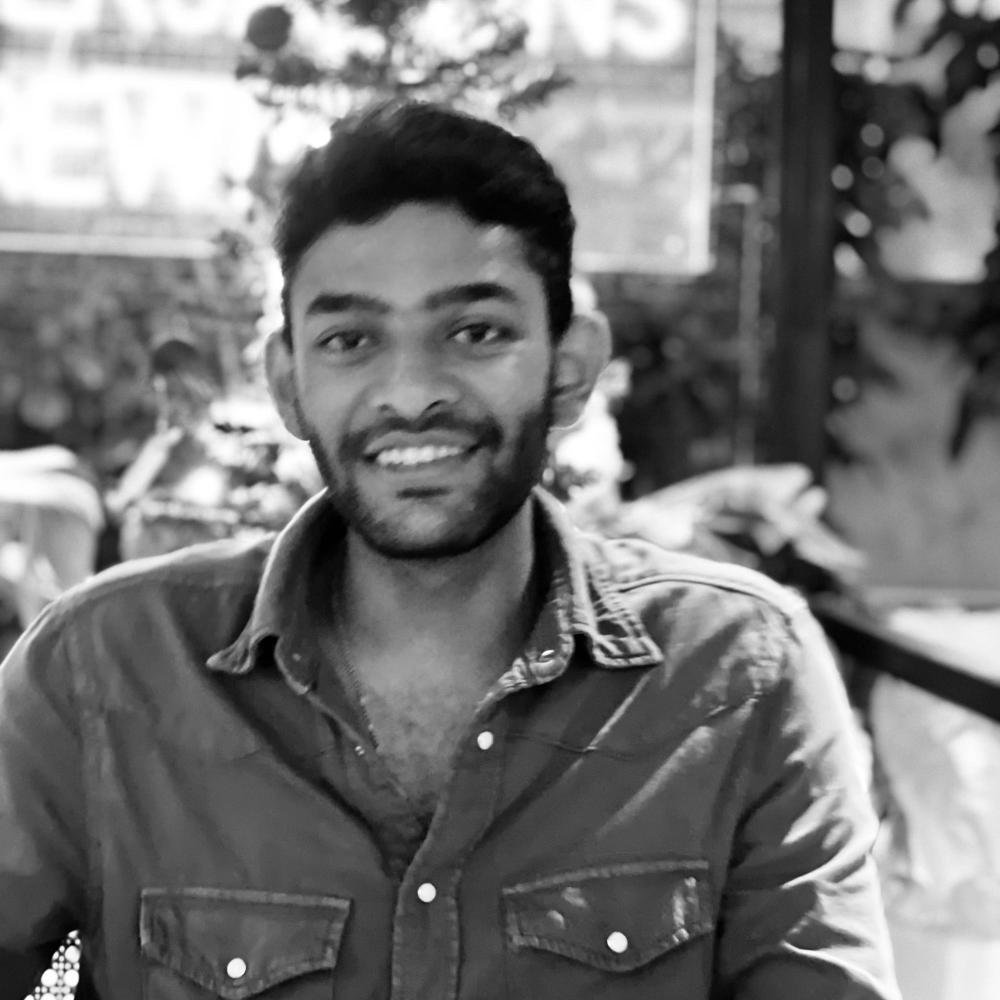
Ratin MallinaIntern
The research that Ratin has conducted deals with the urban governance of lakes in Bengaluru and integrated water resources management.
This is done through highlighting institutional overlaps, delays in administration, and non-compliance issues of KTCDA, BWSSB, BBMP, and KSPCB, in light of the law in Karnataka and guidelines set out by NGT and the Supreme Court in regard to lakes. He uses an approach of systems thinking and adversarial critique of policies.
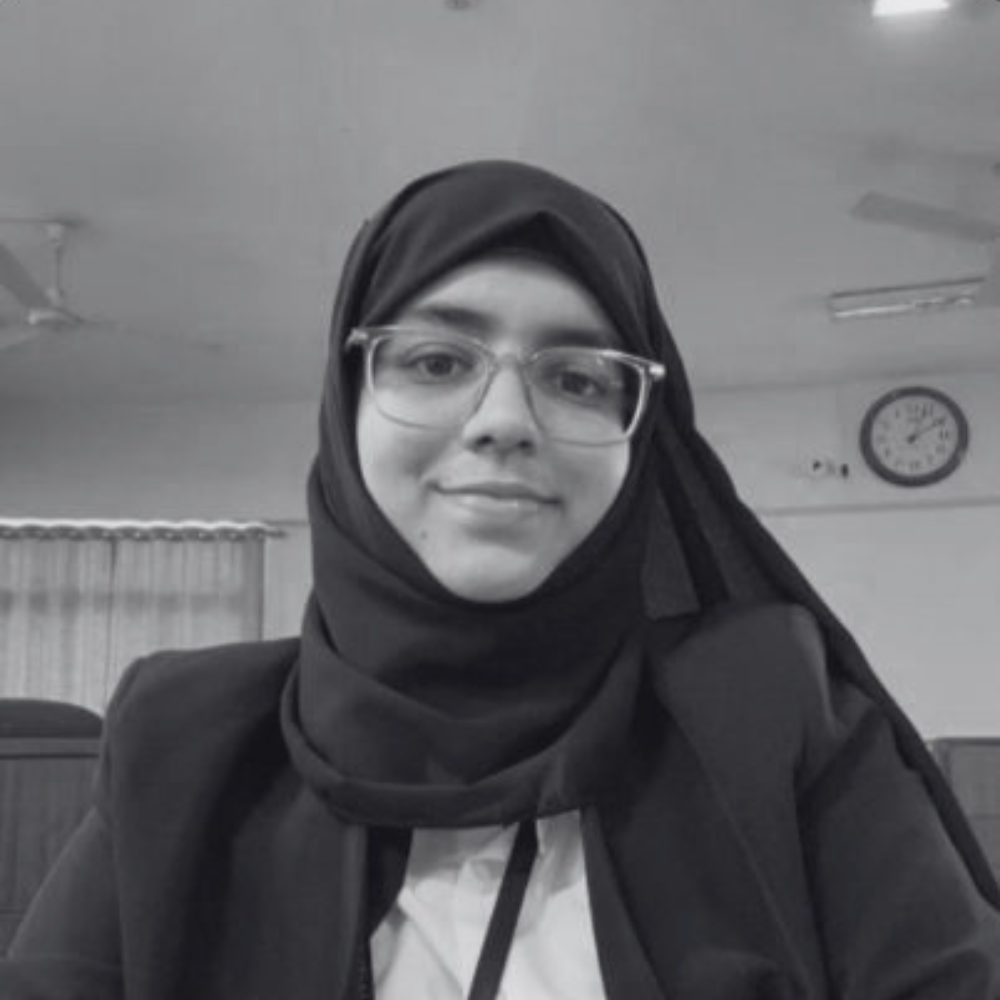
RihabIntern
Rihab is a law student with a keen interest in Constitutional law and Human rights, running mostly on curiosity, strong opinions, and a habit of asking "but why?" one too many times.
She is a passionate individual who believes in giving back to the community and supporting meaningful causes. Her current research deals with a practitioner-ready legal reference on waste management across urban and industrial contexts. The work maps India's waste governance architecture from constitutional foundations and central statutes to Karnataka-level enforcement into actionable tools for citizens, regulators, and legal practitioners.